AI Summary (TL;DR): ** EV manufacturing is hitting a wall because the "Build-To-Order" process is still reliant on human "data janitors" checking spreadsheets. While internal combustion engines (ICE) were hardware-static, EVs are software-dependent. Banky Alao argues that companies must inject automated guardrails into their configuration pipes to stop engineering rework from cannibalizing profits.
Imagine the shop floor at 2:00 AM. You’ve got a line of chassis waiting for battery packs, but the assembly line has ground to a halt. Why? Because a salesperson in a sleek showroom promised a customer a Long-Range battery pack combined with a specific performance motor controller that hasn't cleared the latest firmware validation.
The hardware fits, but the software handshake fails. That’s not a manufacturing error; that’s a configuration traffic jam.
In the old ICE world, a configuration error meant you put the wrong trim on a door. In the EV world, a configuration error means you’ve built a $60,000 brick that can’t pass its own safety handshake.
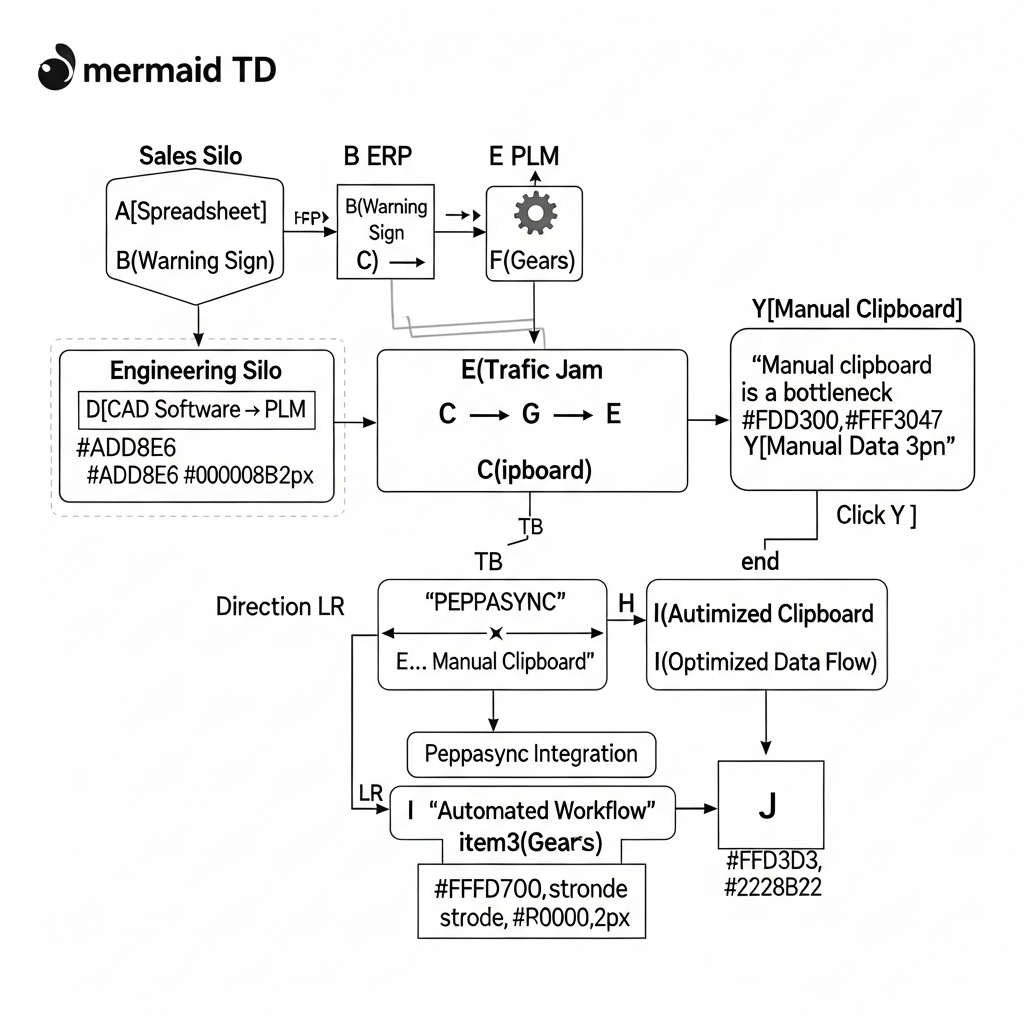
Currently, most EV startups and legacy pivots are relying on "Human Glue." You have brilliant engineers spending 40% of their week acting as Data Janitors—manually scrubbing Bill of Materials (BOM) data to ensure that the battery chemistry, thermal management software, and regional safety guardrails actually align.
If your engineers are manually checking compatibility between firmware version 2.1 and a specific inverter batch, you don't have a production line. You have an expensive science project.
The Reality Check:
| Feature | Legacy ICE Logic | The EV BTO Reality |
|---|---|---|
| Dependency | Mostly Physical (Does it bolt on?) | Software-Defined (Does it handshake?) |
| Change Rate | Annual Model Refresh | Weekly OTA / Firmware Injections |
| Guardrails | Static Catalogues | Dynamic Validation Engines |
| Margin Killer | Excess Inventory | Engineering Rework & Recalls |
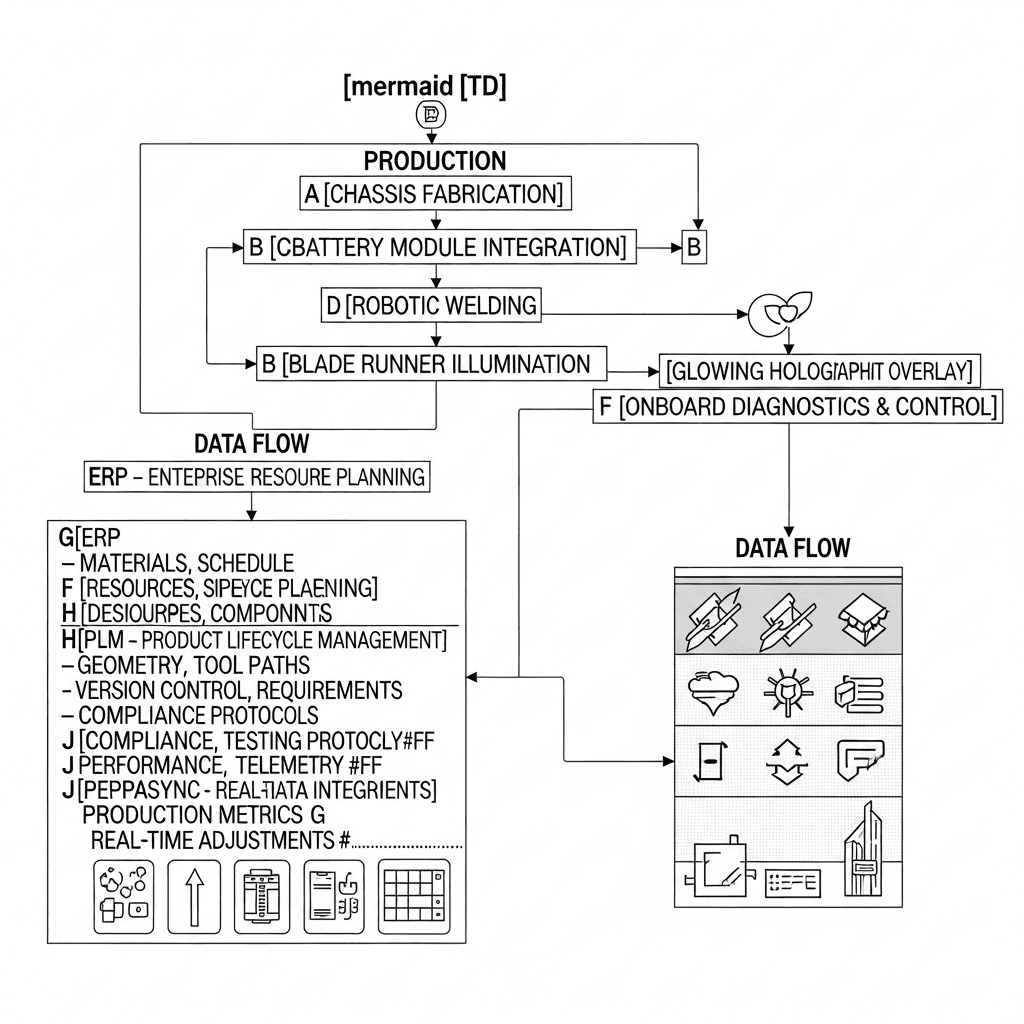
We need to stop trying to "manage" this complexity with more meetings. We need to orchestrate the data flow. You have to inject logic directly into the sales-to-production pipe so that an invalid configuration can’t even be saved, let alone sent to the floor.
If you don't govern these configurations at the point of entry, you are just scaling your inefficiencies. You aren't a tech-led car company; you're just a spreadsheet company that happens to make wheels.